Must-see attractions in Romania

Peles Castle

Some people decide to travel to Romania for natural wonders and spectacular wildlife, while some are more familiar with picturesque castles and painted monasteries. What is certain is that Romania will surprise you with the diversity of its attractions.

Babele and the Sphinx

Babele and Sphinx are natural rock formations found in the Bucegi Mountains, at an altitude of 2,216 meters (7,270 ft). Both the Babele and the Sphinx are considered to be surrounded by an energy field, and many travel to see and experience them. Known as a religious symbol from the time of the Pelagians, the ancestors of the Greeks, the Sphinx has acquired the anthropomorphic form through erosion over thousands of years.

Images for Pele Castle ??

 Peles Castle

Built in the 19th century in the style of German Renaissance architecture, Peleș Castle has 160 luxuriously decorated rooms, filled with art treasures, as well as a large collection of 4,000 medieval weapons. Art lovers will enjoy the prospect of seeing the frescoes painted by Gustav Klimt, while history fans will be surprised to find out that the palace hosted the first film screening in the country.

 The Column of the Infinite of Brancusi

Part of a sculptural ensemble comprising the Table of Silence and the Gate of Kiss by Constantin Brâncuși, the Column of the Infinite is considered one of the greatest works of 20th century sculpture. Made of truncated pyramids attached to the base, the column alludes to infinity. The first version of the column, carved in oak, is displayed at the Museum of Modern Art.

Images for North Korean Volcanoes

Mud volcanoes

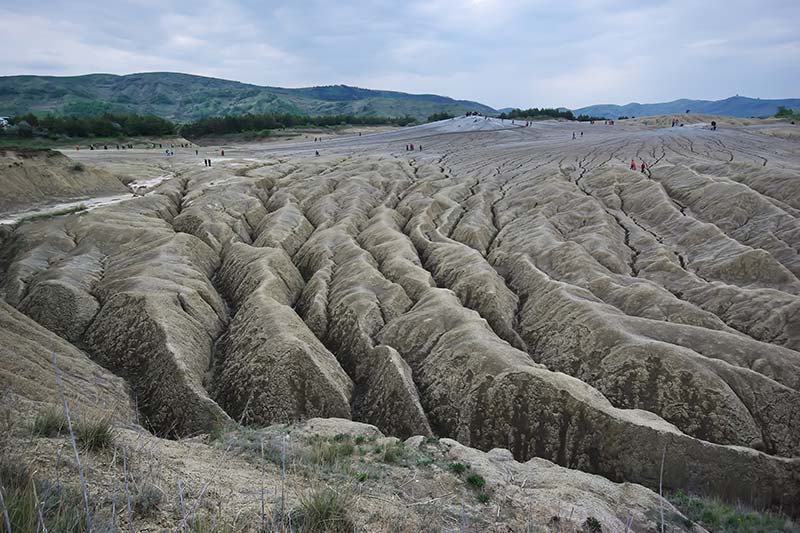
The mud volcanoes in Berca, Buzău county – part of the Pâclele Mari and Pâclele Mici geological and botanical reserves – are some of the most spectacular geological formations you will see in Romania. A walk among the active cones that “clog” with mud and gas, which rises to six meters in height, could be the closest experience to … A walk a month!

Images for the Narcissus Valley

Valley of Narcissus

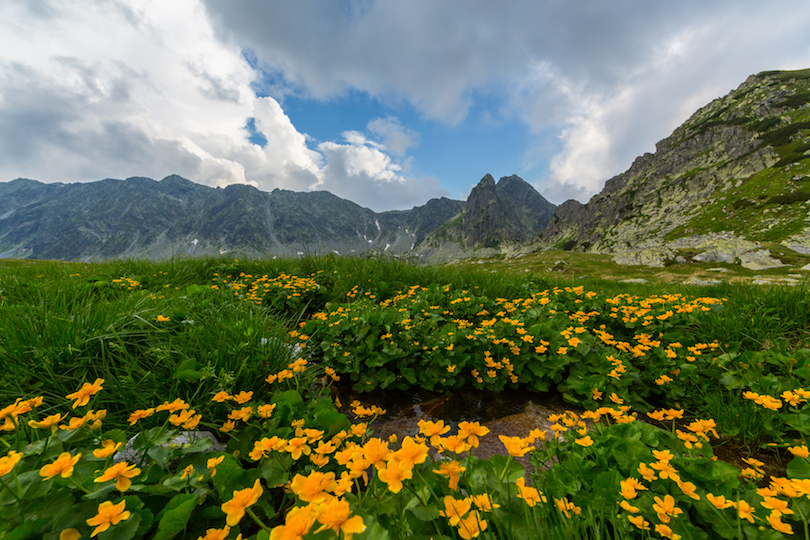
Spring, beginning in mid-May, the eastern part of the Saca Peak in the Rodnei Mountains is covered in a white carpet of scented daffodils, which stretches over five hectares. Those who visited the Narcissus Valley say that the sweet smell of flowers can be felt many kilometers around, carried by the wind.

The fortified churches in Transylvania

The fortified churches in Transylvania were built by the Transylvanian Saxons, brought by the kings of Hungary to the area between the 13th and 16th centuries. valuable during long sieges by the migrating peoples.Romania is one of the best preserved “diamonds” in Europe and is a country full of nature wonders, many of which are untouched by man. The mountainous landscapes, the picturesque ones, the centuries-old traditions, the vibrant and art-filled cities, the cultural events held throughout the year and the unique landmarks make Romania a country that everyone should visit at least once in their lifetime! We assure you that you will not regret it!

The tourist attractions in Romania


Caraș Severin – Iron Gates Natural Park

The Iron Gates Natural Park is the biggest common park in Romania, extending over a zone of 115,655 hectares. It incorporates some portion of the Danube River and of the Iron Gates gorge, which structures the limit among Serbia and Romania.This dazzling park is the ideal goal for an end of the week climb, and you can meander around its thick backwoods and even visit the stone model of Decebalus, the last lord of Dacia.Călărași – History Museum of SilistraThe History Museum of Silistra was worked somewhere in the range of 1923 and 1924, and it houses various extraordinary landmarks of the Romanian and Bulgarian culture. There are 2 fundamental shows – the ethnographic and the archeologic – and it shields more than 41,000 one of a kind things from the pre-memorable, collectible, and medieval periods.
Cluj – Turda Salt Mine

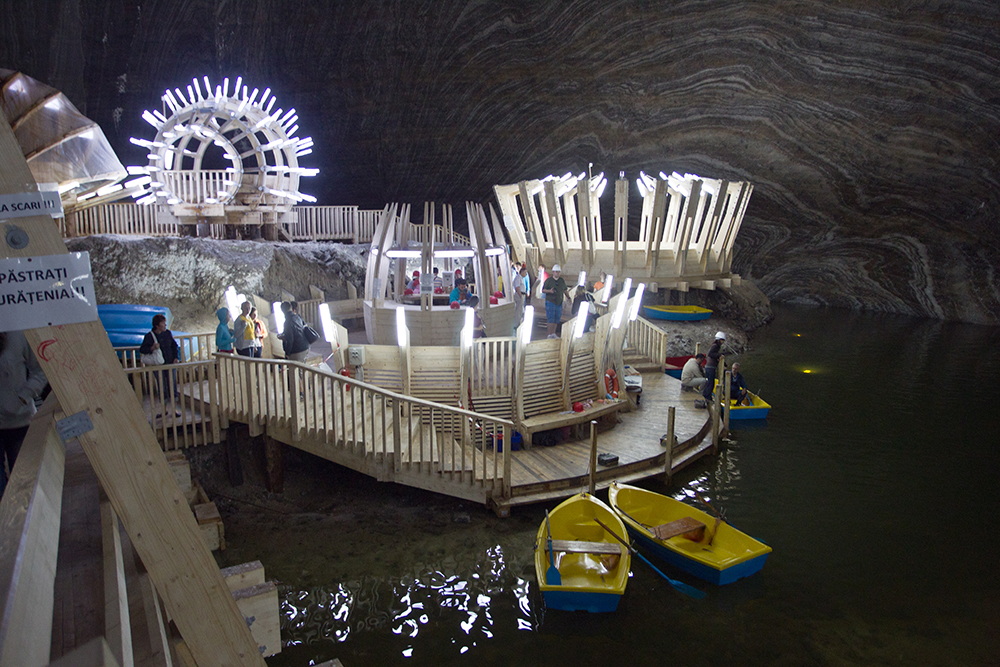
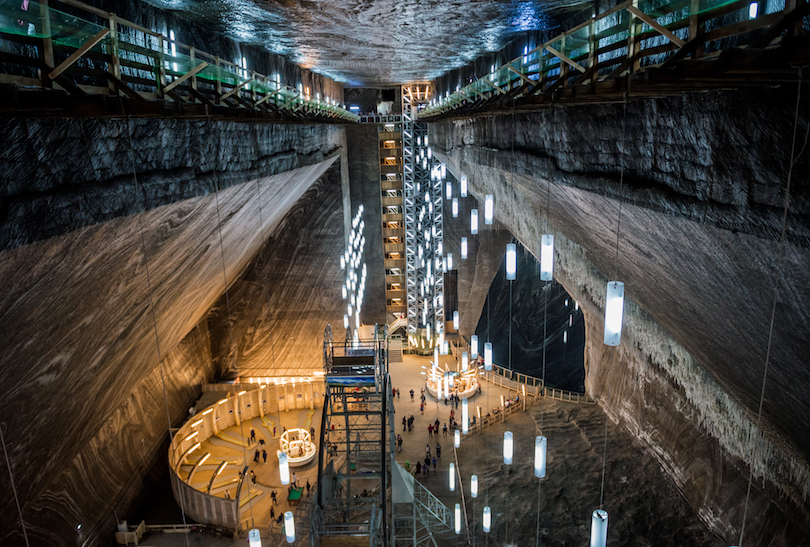
The Turda Salt Mine was referenced without precedent for 1075 when the salt was mined physically utilizing pickaxes, sledges, etches, and steel wedges.But today, the Salt Mine fills in as one of the coolest underground event congregations on the planet. Inside this UFO-molded mine, you will discover a Ferris wheel, an underground lake, a smaller than expected green, and various ping-pong tables. What’s more, also that it compensates for the ideal area for a family excursion, particularly during the blistering summer days.

2 Tourist attractions romania

Bucharest – Palace of the Parliament:

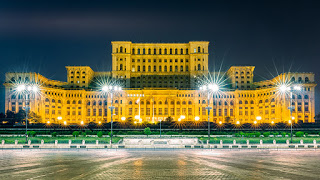
This monster building has a tallness of 84 meters and a region of 365,000 square meters, making it probably the biggest structure on the planet. The Palace of the Parliament is monstrous to such an extent that it sinks by 6 mm each year.The Palace was worked as a feature of Nicolae Ceausescu’s reclamation venture for Bucharest, and today it is home to the Romanian Parliament and to 3 exhibition halls, being made out of 23 areas.Buzău – Berca Mud Volcanoes:

Found under 1 hour from Bucharest, the Mud Volcanoes are by a long shot the most well known fascination in the Buzau County. Meandering around the region makes you sense that you arrived at another planet, however be careful – the land is extremely tricky and you wouldn’t have any desire to wind up shrouded in mud.

The best tourist attractions in Romania.

Botoșani – The Old Town

Situated on the Northern side of Moldavia, Botosani is a city which flaunts a rich social life, having created major logical and social characters, for example, Mihai Eminescu or Nicolae Iorga.The downtown area of Botosani is home to 60 landmark structures that splendidly join history with present day engineering. The zone was worked in the late eighteenth century, yet a significant number of its structures were harmed by a huge fire in 1887. In any case, the downtown area stayed one of the most staggering in Romania, and it was halfway reestablished somewhere in the range of 2009 and 2011.Brașov – Bran Castle

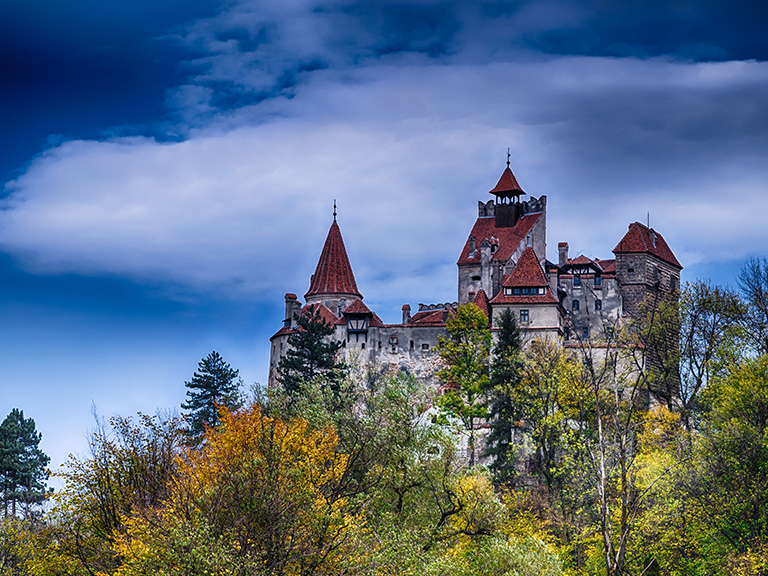
Likely the most popular milestone in Romania is Bran Castle. What’s more, all things considered. This medieval stronghold was worked in 1377 by the Saxons of Transylvania, and today is broadly celebrated for its supposed associations with Bram Stoker’s Dracula.Brăila – Maria Filotti Theatre

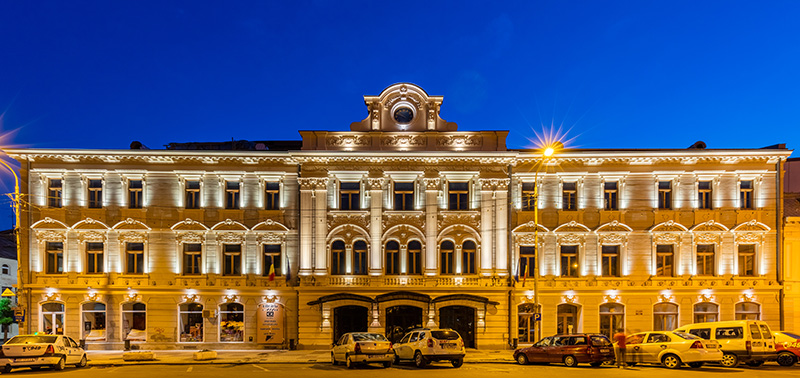
At first, the Maria Filotti theater was intended to be a motel, yet the property was annihilated by a fire in 1859. Known around then under the name of the Rally Theater, it was reproduced and settled in 1864, and all through the nineteenth century, it housed the exhibitions of various regarded characters from all over Europe

Tourist attractions

Bacău – Slănic-Moldova Resort:

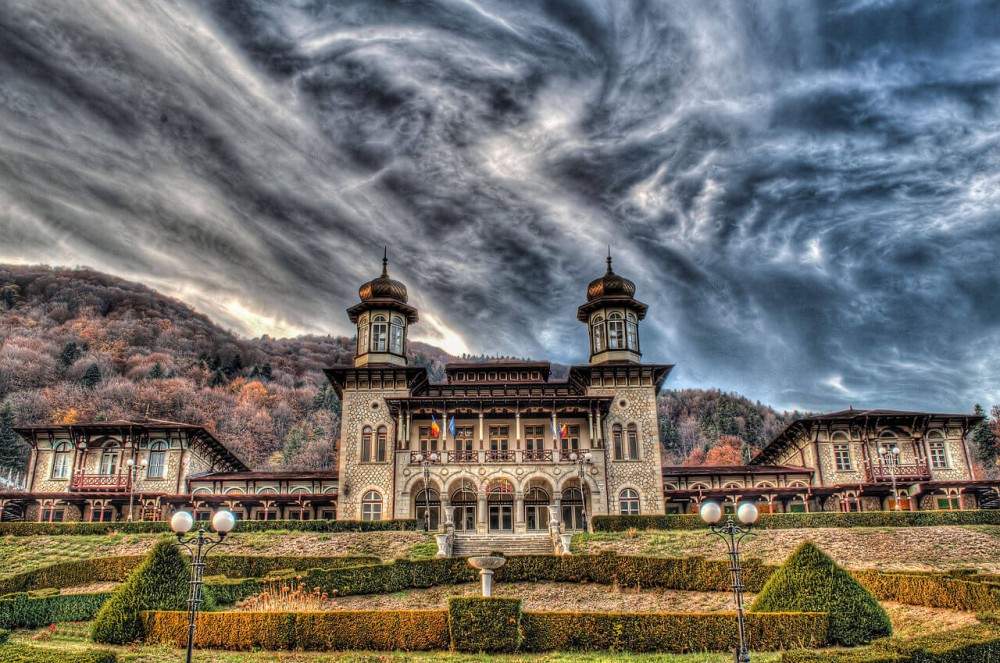
 Situated in the lower regions of the Nemira Mountains, the Slănic-Moldova Resort is famous for its warm and mineral waters. In spite of being found in 1801, the primary spa offices were introduced in 1877, and throughout the years, the nature of the water was compensated with different decorations at global displays in Paris, Vienna, and Frankfurt.

Bihor – Bear’s Cave in the Apuseni Mountains:

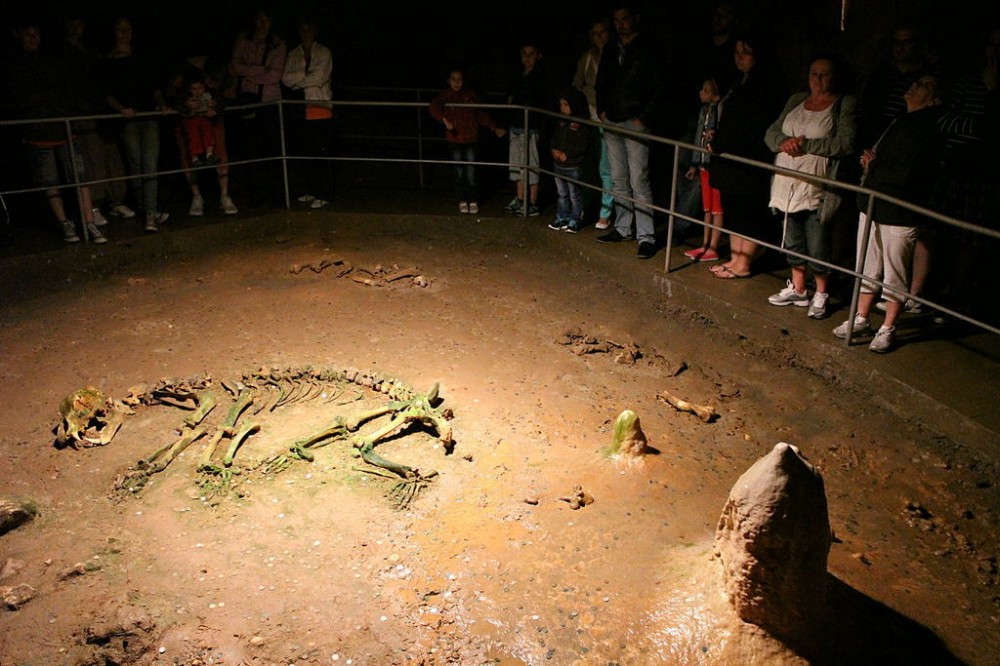
Inadvertently found by a nearby in 1975, the Bear’s Cave is today outstanding amongst other known collapses Romania. It gets its name from the various cavern bear fossils found all through its displays, the principle fascination being a flawless skeleton over 15,000 years of age.
Bistrița-Năsăud – Rodna National Park:

Situated in Northern Romania, the Rodna National Park neighbors the chronicled districts of Bukovina and Maramures, spreading over a territory of more than 46,000 hectares.The park is home to a huge assortment of widely varied vegetation species, some of which are secured by law. In Rodna you will likewise locate the most noteworthy mountain top in the Eastern Carpathians – Pietrosu Mare, arriving at an elevation of 2,303 meters. Other than the high pinnacles, the Rodna National Park is an incredible goal to investigate some genuinely astounding caverns, (for example, Grota Zanelor or Jgheabul lui Zalion, the most hard to cross collapse Romania) or a portion of the frigid lakes, (for example, Lala Mare or Lala Mica).

3 tourist attractions of romania.

Alba – Alba Carolina Fortress:

Worked in Alba Iulia somewhere in the range of 1715 and 1738, the Alba Carolina Citadel is the biggest stronghold in Romania.The fortress has a heptagonal shape, and it is surrounded by 12 kilometers of walls and guarded by a bastion at each corner.Ever since 2009, the Citadel is home to a Change of Guards ceremony, which throughout the years became a symbol of the city. During the touristic season (May – September) the ceremony takes place on a daily basis, and sometimes even twice a day during weekends.

Arad – The Administrative Palace:

 The Palace is home to the Arad City Hall, and it is one of the most huge works of varied engineering in the city. The focal pinnacle of the structure estimates 54 meters in tallness, and at the top, it houses a clock with a chime.

 Argeș- Curtea de Argeș Cathedral

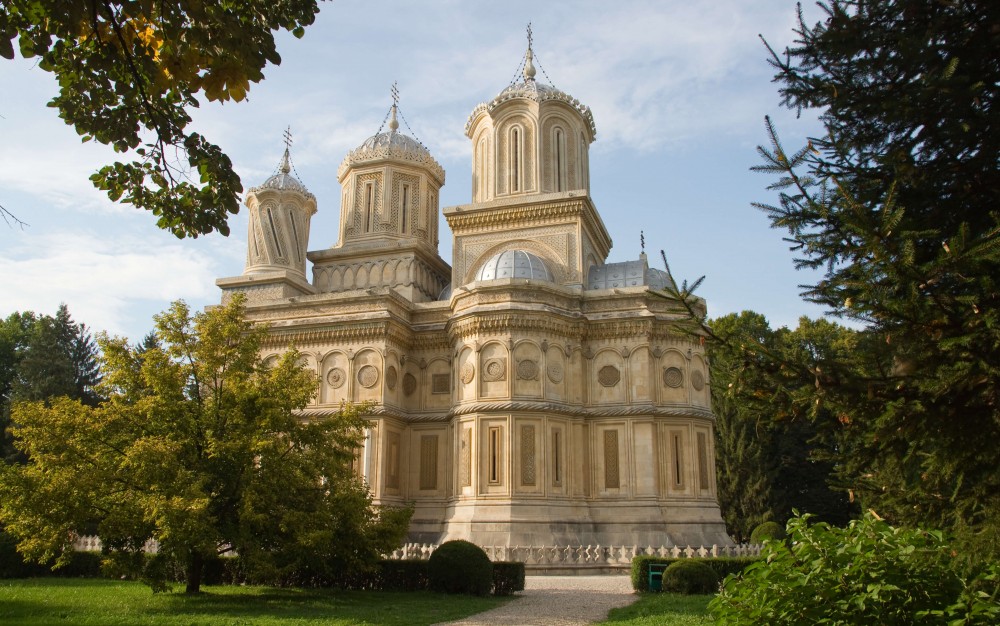
Curtea de Argeș filled in as the main capital of Wallachia, and the development of its Cathedral brought forth one of the most acclaimed legends in Romania, the legend of Manole.The Cathedral was worked somewhere in the range of 1517 and 1517, yet it was somewhat wrecked by two fires in 1866 and 1867. During his standard, King Carol I chose to reestablish the church building and to transform it into the necropolis of the Romanian Royal Family. 

Where to go in Romania?

Wealthy in culture, history, and characteristic excellence, Romania is an entrancing goal situated in Eastern Europe. From flawlessly protected medieval towns and the structural fortunes found in Bucharest, the capital city, to the secretive legend of Dracula, hope to locate a charming nation like no other.

Start your outing by investigating the capital city, Bucharest, situated in the south of the nation. With a populace of more than 2 million, Bucharest is brimming with both chronicled locales and present day social attractions. Touring in the capital must incorporate the huge Palace of Parliament. Worked during the Communist Era, this is one of the biggest government structures on the planet. The 12 story building has more than one thousand rooms and incorporates underground levels total with a monstrous fortification if there should be an occurrence of atomic assault.

From Bucharest, it is only a short train ride toward the north into the puzzling, precipitous district of Transylvania. This territory is celebrated for being the home of Dracula. A visit to the shocking manor of Bran, a gothic marvel since a long time ago connected with Dracula, is an unquestionable requirement. Situated in Sinaia, the notable Sinaia Monastery, worked in 1695, is a structural pearl loaded up with delightful sketches, rich subtleties, and a historical center relating its multi year history. Make certain to visit the fantastic Peles Castle. This was the mid year home of the Romanian imperial family and mirrors the riches and history related with the past leaders of this entrancing nation.

Tourist attractions of romania.

Transylvanian Alps:

The Transylvanian Alps, also known as the Southern Carpathians, aren’t as high as the Rockies or the Himalayas, usually under 2,000 meters in elevation. The special case is Mount Moldoveanu, at 2,544 meters (8,346 feet), the most noteworthy point in Romania. The rugged mountains, dotted with sheep-filled meadows with wildflowers, offer some pretty good hiking in the summer and skiing in the winter. Couch potatoes can visit a mist-shrouded Gothic castle instead as they hunt for legendary vampires on their own turf.Biertan Fortified Church:

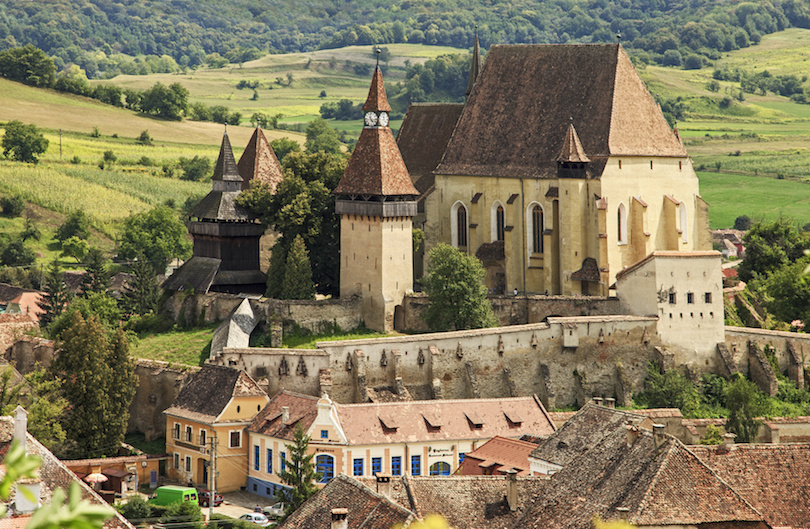
Biertan Fortified Church stands head and shoulders above the other buildings in Biertan, It was originally a Catholic church built when the region belonged to Hungary. It became a Lutheran church after the Reformation. Rather than build a fortress to defend against Ottoman invaders, townspeople fortified the church.Worked in Late Gothic style, it is one of the biggest invigorated places of worship in Romania.  The church is noted for its towers, including one used to store food during sieges and another to imprison husbands who wanted a divorce.Piata Mare:

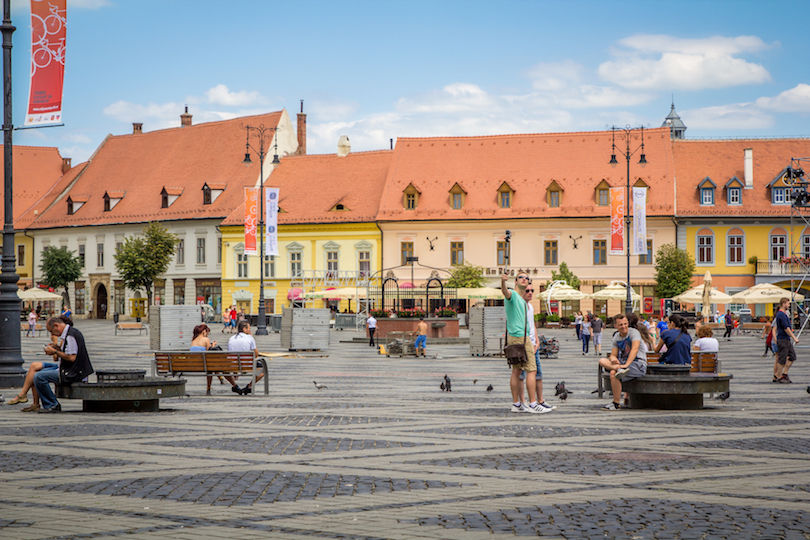
Surrounded by medieval buildings, the Plata Mare, or Big Square as it’s known in English, is a must-see sight in the Transylvanian city of Sibiu. The square had its start as a grain advertise in the mid fifteenth century. A couple of decades later, the Tailors’ Guild building went up. It was followed by houses, a Jesuit church and Brukenthal Palace. Big Square was a place for public gatherings, including festivals and beheadings. It was place to see troublemakers as they were displayed in the “lunatic’s cage.”

Romania Tourist Attractions.


Corvin Castle:

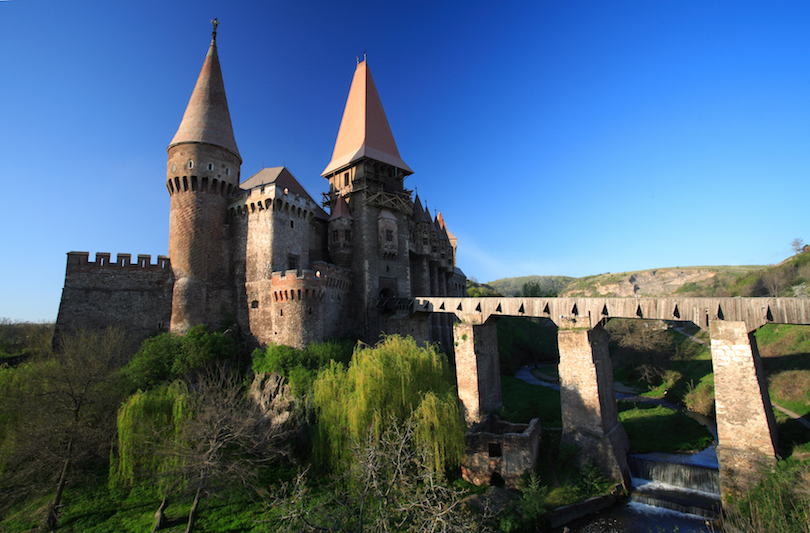
Corvin Castle is an imposing medieval, Gothic structure, considered the most impressive medieval castle in Romania. It likewise is known as Hunyad Castle after the high-positioning authority who constructed it. Corvin Castle is a fairytale castle that is accessed by a wooden bridge that bears a statue of St. John of Nepomuk, the patron saint of bridges. A raven wearing a gold ring is a symbol of the 15th century castle. See, too, the bear pit and the dungeon where people were tortured.Sucevita Monastery:

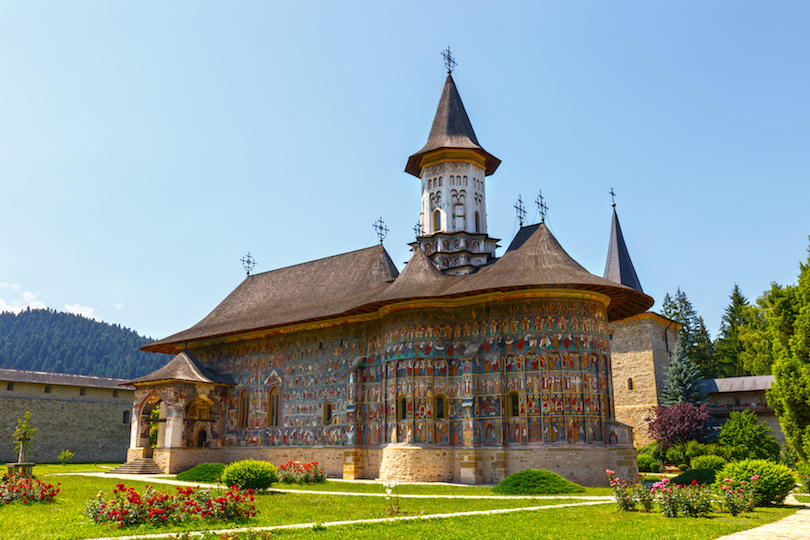
The Sucevita Monastery is architecturally unique, no doubt about that. Somehow the blend of the Gothic and Byzantine styles, plus Moldavia’s painted churches comes together in a spectacular building. The front is cylindrical, topped with a conical roof while the back is rectangular and topped with a small tower.Inside, you’ll find painted paintings from the mid 1600s and tomb spreads weaved with silver string. The religious community, situated in upper east Romania, is viewed as one of the most significant painted chapels in Moldavia.Salina Turda:

If you feel like you’re working in a salt mine at home, then you should feel comfortable at Salina Turda. The salt mine, which dates as far back as the seventeenth century, was utilized for everything from a cheddar stockpiling focus to a reinforced hideout in WWII after unearthings halted in 1932. Today, it has been changed into an unbelievable science fiction amusement park. Located in Ciuj County, Salina Turda has been called one of the coolest underground places in the world. When you visit, you’ll head down about 120 meters (400 feet) before reaching the submerged wonderland. Once inside, you’ll find an amphitheater, a bowling alley, an underground lake with prow boats, and even a Ferris wheel.

Poiana Brasov


Poiana Brasov:

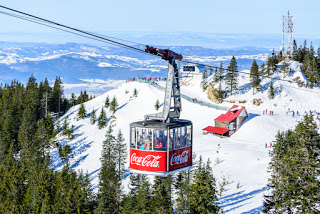
When you get tired of seeking out vampires, consider Poiana Brasov for a change of pace.It’s the most famous ski resort in Romania that likewise draws skiers from all over Europe. Situated in the Carpathian Mountains, the ski resort has seven slants that offer a consolidated 25 km (15 miles) of skiing. The resort also hosts competitive alpine skiing and figure skating events. After a day on the slopes, warm yourself up with a traditional mulled wine or try some tuică, a plum based pepper-spiced drink.

Design a site like this with WordPress.com
Get started